Five-minute lessons that make every household ready for the emergencies their country plans for. Offered with civil-defence and public-safety agencies, used by residents on their own phones.
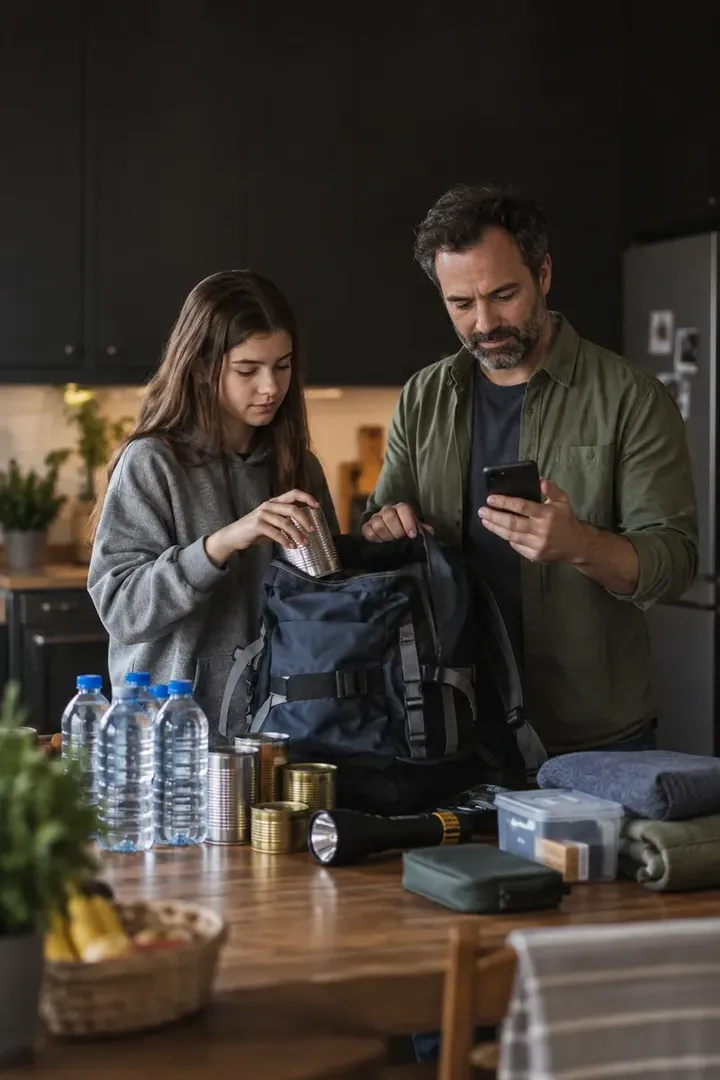
Household ReadinessLesson Work Out How Much Water Your Household Needs for Three Days
Household ReadinessLesson Agree Two Meeting Points With Everyone in Your Household
Community and VolunteeringLesson Bring Your Neighbours Together for a First Preparedness Meeting
Conflict and Civil DefenceLesson Receive Official Alerts on Your Phone, Radio and TV
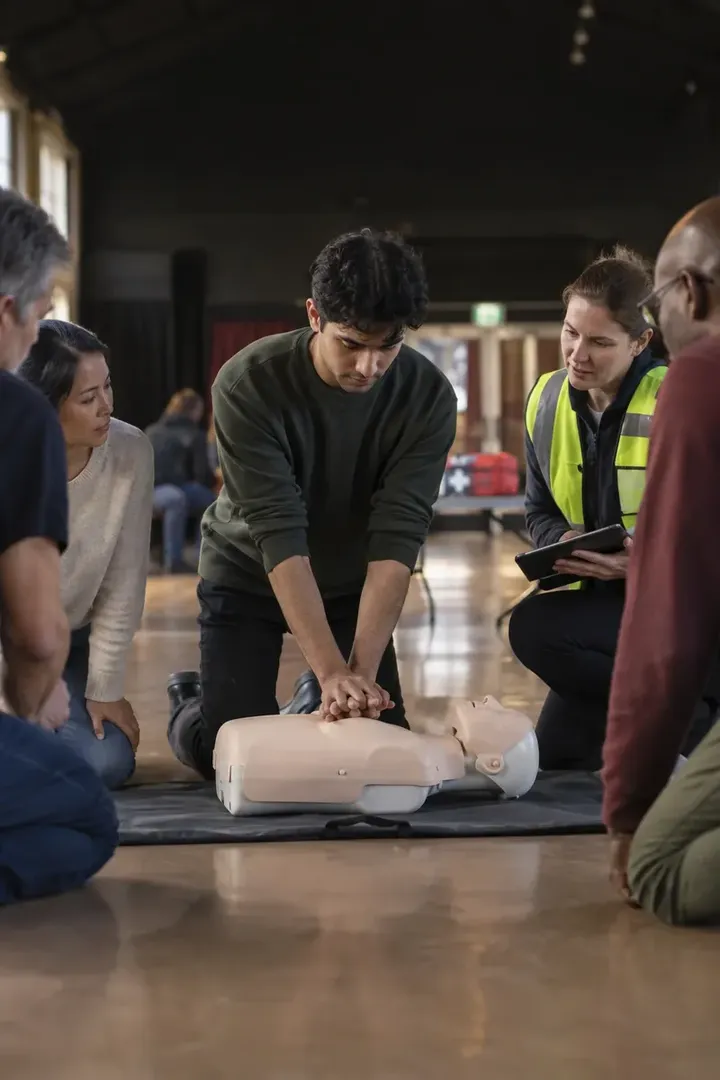
First Aid and Helping OthersLesson Perform Hands-Only CPR on an Adult
105
lessons at launch
21
tracks, one scenario each
10
areas of readiness
5
minutes per lesson
Two readers
For the agency that plans, and the household that prepares.
Agencies and governments
Give every resident the same calm, official-grade guidance without writing it yourself. License seats for a population, invite people with one link, and watch the programme progress from a dashboard.
Curriculum at the level of public civil-defence advice
Learn what to do this week and what to do when the alert comes, in five minutes at a time. Start with the free tracks on your phone; no training assumed, no account needed to begin.
Five free tracks, including water, power and alerts
One scenario per lesson, one concrete step to take
ReadyCiv turns official preparedness advice into short lessons a person can finish on a phone, and checks that they could act on it.
Five minutes, one scenario
Each lesson covers one situation and ends with a concrete step your household can take this week, plus what to do when the warning arrives.
Protective actions only
Calm, practical guidance. Nothing alarmist, nothing speculative about threats, and a clear pointer to official channels for instructions during an event.
Checked, not assumed
Short questions at the end of every lesson ask whether you could act on it, not whether you can repeat a definition.
What it covers
The emergencies a country actually plans for.
Ten areas, from the water under your sink to the day after. Each area opens with the tracks below; more tracks are released as the programme grows.
Household Readiness
3 tracks
FreeWater Storage and Treatment
Packing a Go-Bag
Agreeing a Plan Everyone Knows
Natural Hazards
3 tracks
Floods
Earthquakes
Heatwaves
Infrastructure Failure
2 tracks
FreePower Outages
Telecom Loss
Public Health Emergencies
2 tracks
Pandemic Basics
Coping With Stress in a Crisis
Conflict and Civil Defence
3 tracks
FreeSirens and Alerts
Finding and Using Shelters
Evacuation Routes and Orders
CBRN Awareness for Civilians
2 tracks
Sheltering in Place
Iodine and Radiation Protection
Information Resilience
2 tracks
FreeOfficial Channels
Spotting Disinformation
First Aid and Helping Others
2 tracks
Bleeding and Wounds
CPR and Choking
Community and Volunteering
1 tracks
FreeStarting a Neighbourhood Preparedness Group
Recovery
1 tracks
Checking a Damaged Building
Free tracks. Water storage, power outages, sirens and alerts, official channels, and starting a neighbourhood group cost nothing. They are the starting point for every household.
Pricing
Start free. Pay by the person, or by the seat for a population.
Five tracks cost nothing. Past them there is one flat price for a person and one price per seat for an agency or organisation, in US dollars.
Every area and every track, for one person, billed once a year.
$24.00 per seat, a year
Per seat for a population or an organisation, with an invite link, a dashboard and invoices.
Questions
Before you ask
Who is ReadyCiv for?
Two readers. Civil-defence and public-safety agencies license it so their residents get consistent, official-grade preparedness guidance. Residents use it on their phones, five minutes at a time, with or without an agency behind them.
Is the advice official?
Lessons follow the level of public civil-defence advice: protective actions only, plain language, and a clear instruction to follow official channels during an event. They never speculate about threats and never replace the instructions your authorities issue.
How long does a lesson take?
About five minutes. A track is five lessons on one scenario, so a household can finish one in under half an hour, spread across as many days as they like.
Do people need any training?
No. Every lesson assumes no prior training and explains any term in one sentence the first time it appears.
What is free?
Five tracks are free: water storage, power outages, sirens and alerts, official channels, and starting a neighbourhood preparedness group. Everything else is a flat price per person, or per seat for an agency or organisation. Both are on the pricing page.
Can an agency offer it to a whole population?
Yes. Seats are bought on the web by whoever runs the programme, people join through one invite link, and the dashboard shows progress. Tell us the size of the population through the contact form and we will come back with a proposal.
Get started
Tell us about your population.
Say roughly how many people you serve, which hazards matter most where you are, and what prompted the question. We will come back with what we would suggest.